Categories
Facial

Salicylic Acid Chemical Peels in Palm Desert: A Boost for Acne-Prone Skin

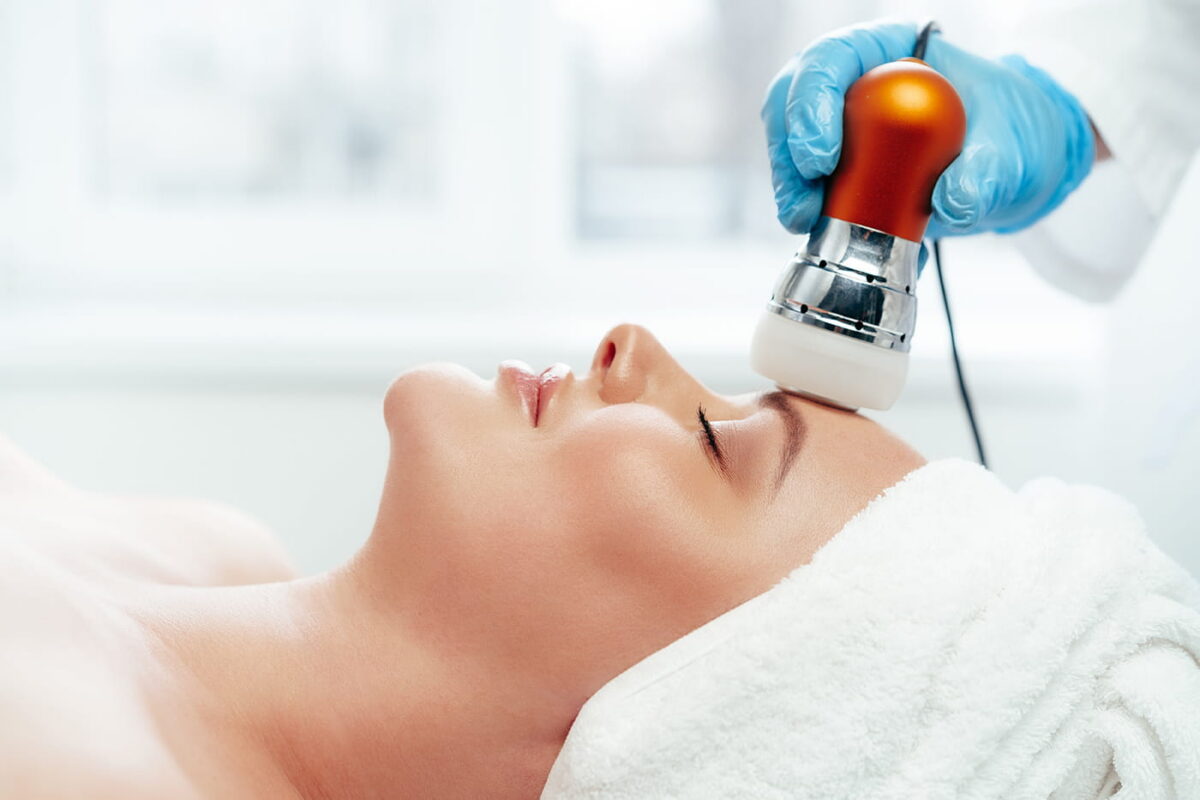
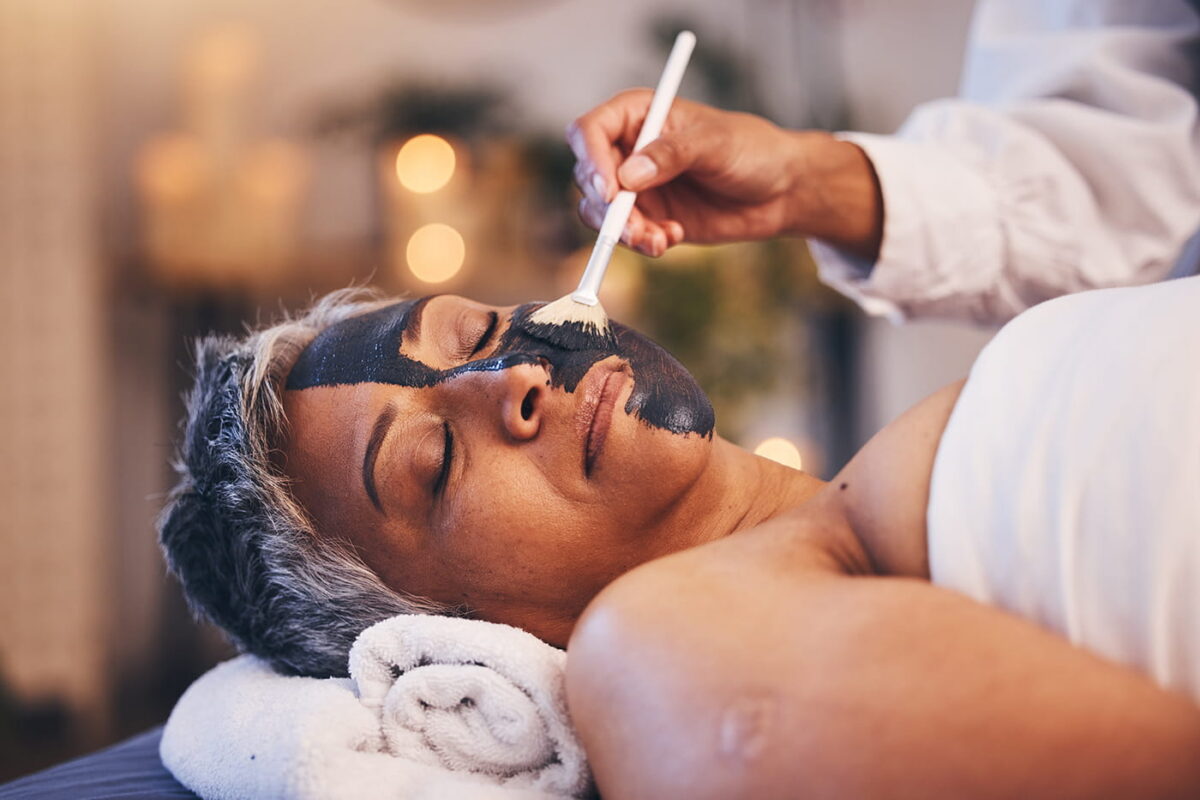
If you struggle with acne, clogged pores, excess oil, or recurring breakouts, finding the right professional skincare treatment can make a noticeable difference. For those looking for chemical peels in Palm Desert, CA, a salicylic acid chemical peel can be an effective option for improving the appearance and texture of acne-prone skin.

At Skin Bar ~ The Experience Day Spa in Palm Desert, professional skincare treatments are designed to help address individual skin concerns while promoting a healthier, smoother-looking complexion. Salicylic acid peels are particularly popular for clients who want to target congestion, oily skin, and blemishes through professional exfoliation.

What Is a Salicylic Acid Chemical Peel?

Salicylic acid is a beta hydroxy acid, commonly called a BHA, that is well known for its ability to exfoliate the skin and help address clogged pores. Unlike some exfoliating ingredients that primarily work on the surface of the skin, salicylic acid is oil-soluble, allowing it to work effectively within pores.

A professional salicylic acid chemical peel uses a carefully selected concentration of salicylic acid to exfoliate dead skin cells and help improve the appearance of congested skin. This can be especially beneficial for people experiencing blackheads, whiteheads, excess oil, and acne-prone skin.

For Palm Desert residents dealing with the effects of heat, sun exposure, and dry desert conditions, maintaining a consistent professional skincare routine can also be an important part of keeping the complexion looking fresh and balanced.

How Can Salicylic Acid Peels Help Acne-Prone Skin?

One of the biggest benefits of a salicylic acid peel is its ability to target some of the factors associated with clogged pores and breakouts.

1. Helps Exfoliate Old Skin Cells

Old skin cells can accumulate on the surface of the skin and contribute to a dull, uneven appearance. Professional chemical peels help remove these accumulated cells, revealing smoother-looking skin underneath.

2. Helps Unclog Pores

Excess oil and dead skin cells can contribute to clogged pores. Because salicylic acid is oil-soluble, it can be particularly useful for skincare routines focused on congestion and oily, acne-prone skin.

3. Improves the Appearance of Uneven Skin Texture

Acne and clogged pores can leave the skin looking rough or uneven. Regular professional exfoliation may help create a smoother-looking complexion and improve the appearance of overall skin texture.

4. Helps Reduce the Appearance of Excess Oil

For people with oily or combination skin, controlling excess oil can be an important part of maintaining clearer-looking skin. Salicylic acid is commonly used in professional and at-home skincare products designed for oily and blemish-prone complexions.

5. Supports a More Radiant Complexion

Removing dull, surface-level buildup can help the skin look brighter and more refreshed. A professional chemical peel can be a great addition to a comprehensive skincare routine when appropriately selected for your skin.

A professional chemical peel begins with an assessment of your skin and your specific skincare concerns. Your skincare professional can determine whether a salicylic acid peel is appropriate and select the treatment approach based on your skin type and current condition.

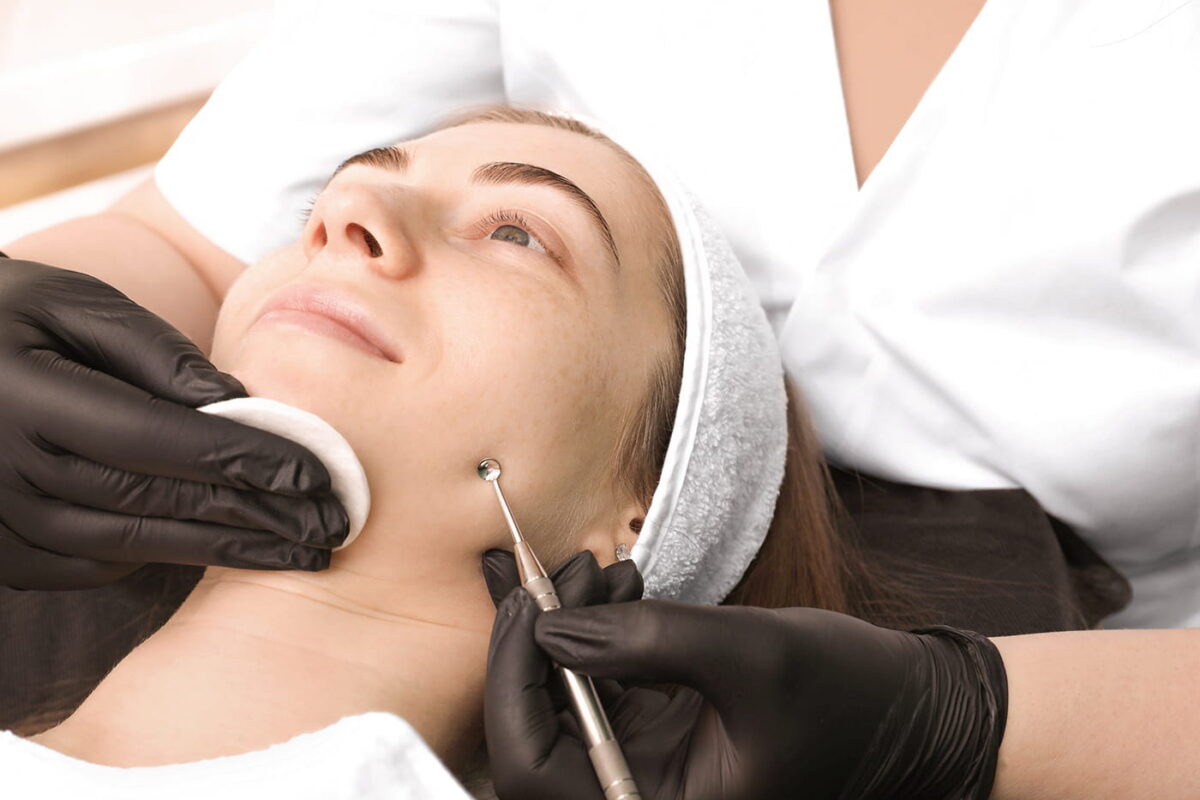
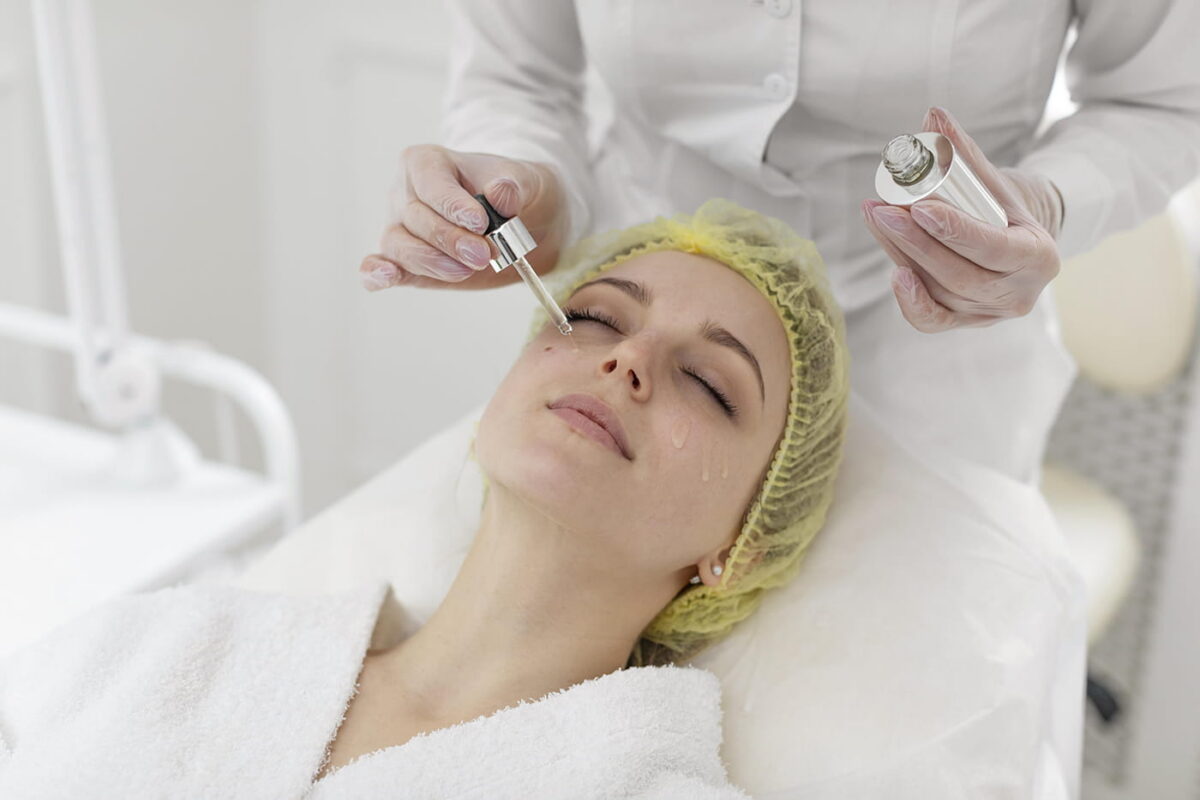
During the treatment, the skin is properly prepared before the professional peel solution is applied. The solution remains on the skin for a controlled amount of time before being removed according to the treatment protocol.

You may experience sensations such as mild tingling or warmth during the treatment. Following a peel, some clients may experience temporary redness, dryness, tightness, or peeling as the skin goes through its exfoliation process.

Because every person’s skin responds differently, following your skincare professional’s post-treatment recommendations is important.

There is no single schedule that works for everyone. The ideal frequency for peels depends on factors such as your skin type, sensitivity, current skincare routine, acne concerns, and the specific peel being performed.

Your skincare professional can help create a treatment plan designed around your individual goals. In some cases, a series of professional treatments may be recommended rather than relying on one peel alone.

It is also important to protect your skin from the sun following professional exfoliation. This is particularly important in Palm Desert, where strong Southern California sun exposure is part of everyday life.

Salicylic acid peels may be a good option for people concerned with oily skin, clogged pores, blemishes, and uneven-looking skin texture. However, professional chemical peels are not one-size-fits-all treatments.

If you have sensitive skin, active irritation, certain skin conditions, or are currently using strong exfoliating or prescription skincare products, your skincare professional should know before treatment.

A professional consultation can help determine whether a salicylic acid peel—or another type of facial or chemical peel—better fits your skin’s needs.

If you’re searching for chemical peels in Palm Desert or looking for professional skincare treatments for acne-prone skin, Skin Bar ~ The Experience Day Spa provides a relaxing environment where skincare and self-care come together.

A professional salicylic acid chemical peel can be an excellent option for clients looking to improve the appearance of clogged pores, excess oil, blemishes, and uneven skin texture.

Rather than choosing a peel based solely on what you see online, professional guidance can help ensure that your treatment is appropriate for your skin and your skincare goals.

Looking for a chemical peel in Palm Desert? Skin Bar ~ The Experience Day Spa can help you determine which professional skincare treatment is best suited to your skin’s needs.
Categories
Facial

3 Reasons Professional Facials Can Improve Your Skincare Routine

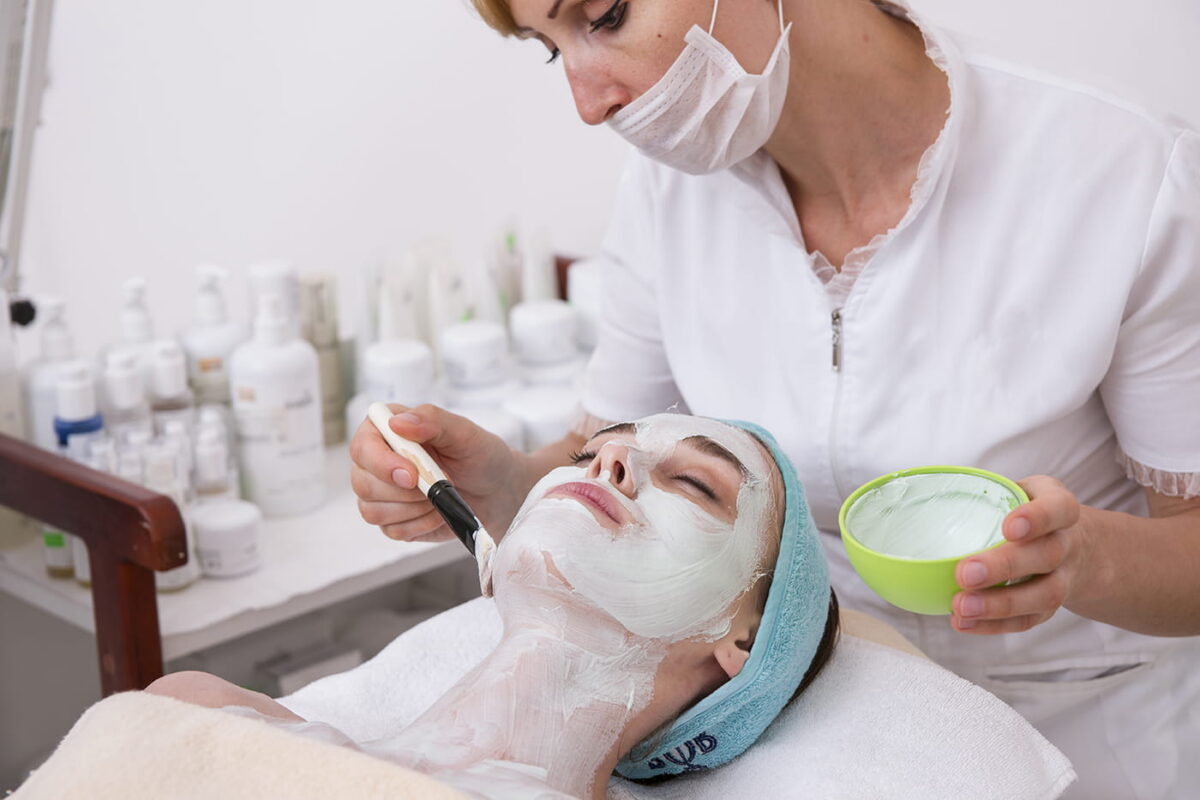
If you’re searching for a facial in Palm Desert, CA, you may be wondering whether professional facial treatments are really necessary when you already have a skincare routine at home. The answer is that professional facials can be an excellent complement to your everyday skincare habits.

Cleansing, moisturizing, exfoliating appropriately, and wearing sunscreen are important steps in maintaining healthy-looking skin. But your skin can also benefit from the personalized attention, professional techniques, and specialized skincare products available from a trained esthetician.

At Skin Bar ~ The Experience Day Spa in Palm Desert, we believe skincare should be personalized to the individual—not approached with a one-size-fits-all philosophy.

Whether your concerns include dryness, dehydration, congestion, dull-looking skin, uneven texture, or simply maintaining a fresh complexion, a professional facial can give your skin the extra attention it deserves.

Here are three reasons to consider making professional facials part of your regular skincare routine.

1. Professional Facials Provide Customized Skincare for Your Skin

One of the biggest advantages of receiving a professional facial is personalized care.

Everyone’s skin is different. Your skin may also change throughout the year based on the weather, lifestyle, stress, age, products you use, and environmental factors. What worked for your skin a few months ago may not be exactly what your skin needs today.

A professional Palm Desert esthetician can evaluate the appearance and condition of your skin and recommend facial treatments based on your individual skincare goals.

For example, someone experiencing dry or dehydrated-looking skin may benefit from a facial focused on hydration, while someone dealing with congestion may need a different approach. If your complexion looks dull or your skin feels rough, professional exfoliation may help reveal a smoother, more refreshed appearance.

This personalized approach is one reason many people choose to include professional facials in their regular skincare routine.

Rather than guessing which products or treatments your skin needs, you can work with a skincare professional who can help guide you toward appropriate options.

2. Professional Facials Go Beyond Your At-Home Skincare Routine

Your at-home skincare routine is important, but professional facial treatments can provide an additional level of skincare that can be difficult to duplicate at home.

Your daily routine may include cleanser, moisturizer, serums, and SPF. These products are great for ongoing skin maintenance, but a professional facial allows an esthetician to incorporate professional techniques and specialized skincare products into your treatment.

Depending on the facial you choose, your experience may include professional cleansing, exfoliation, masks, hydration, massage, and other targeted skincare techniques.

Professional exfoliation, for example, can help remove accumulated surface cells and leave your skin feeling smoother and looking more refreshed. Hydrating treatments can provide an added boost when your complexion feels dry or depleted.

The goal of a professional facial isn’t to replace your skincare routine. Instead, it can complement the products and habits you already use at home.

Think of your home skincare routine as your everyday maintenance and your professional facial as an opportunity to give your skin specialized, professional attention.

3. Consistent Facials Can Support Your Long-Term Skincare Goals Great skincare is about consistency—not just one treatment.

While a single facial can leave your skin feeling refreshed and looking more radiant, incorporating professional facials into your skincare routine can provide ongoing opportunities to care for your complexion.

Regular appointments can also allow your skincare professional to evaluate how your skin is changing over time and help you adjust your approach when necessary.

For Palm Desert residents, maintaining a consistent skincare routine can be particularly important because the desert environment can be challenging for the skin. Dry conditions and everyday environmental exposure can contribute to the feeling of dryness or dehydration for some people.

Combining professional Palm Desert facial treatments with an appropriate at-home skincare routine can help you stay proactive about your skin rather than waiting until a concern becomes more noticeable.

Professional facials can also be an important part of self-care. Taking time to step away from your busy schedule and enjoy a relaxing skincare experience gives you an opportunity to care for both your complexion and your overall well-being.

Looking for a Facial in Palm Desert, CA?

If you’re searching online for “facial near me,” “best facial in Palm Desert,” “facials in Palm Desert CA,” or a trusted Palm Desert esthetician, Skin Bar ~ The Experience Day Spa is here to provide a personalized skincare experience.

Whether you’re looking for regular skincare maintenance, a hydrating facial, professional exfoliation, or simply a relaxing way to give your skin some extra attention, our team can help you choose an experience that fits your skincare goals.

Professional skincare doesn’t have to be complicated. The right combination of consistent at-home care and professional facial treatments can help you stay focused on maintaining a healthy, refreshed-looking complexion.

Categories
Facial

How Often Should You Get a Facial? A Skincare Guide for Palm Desert Residents

Regular facials can help keep your skin looking fresh, smooth, and healthy. However, how often should you get a facial? The answer depends on your skin type, skincare goals, and the treatments you choose.

For Palm Desert residents, maintaining healthy skin can require extra attention because the dry desert climate, intense sunshine, and air conditioning may contribute to dryness and skin irritation. Choosing the right facial schedule can help support your skin’s moisture barrier and address specific concerns.

In this guide, discover how often to get a facial, which treatments suit different skin types, and how to maintain your results between appointments.

How Often Should You Get a Facial?

For many people, getting a professional facial every four to six weeks is a reasonable starting point. This schedule allows time between treatments for your skin to recover while supporting a consistent skincare routine.

However, not everyone needs monthly facials. Your ideal schedule depends on your skin’s condition and the intensity of the treatment.

Here are some general guidelines:

  • Normal skin: Every four to six weeks may help maintain a healthy-looking complexion.
  • Oily or acne-prone skin: A facial every four to six weeks may be appropriate, depending on breakouts and treatment type.
  • Dry skin: Hydrating facials may be scheduled every four to six weeks, depending on your skin’s needs.
  • Sensitive skin: Less frequent, gentle treatments may be better if your skin reacts easily.
  • Mature skin: Regular facials may help improve hydration and texture, with frequency adjusted to your treatment goals.

These are general recommendations, not strict rules. A qualified skincare professional can help determine the right schedule for you.

Why Are Regular Facials Beneficial?

Professional facials can complement your daily skincare routine by addressing concerns that may benefit from specialized products and techniques.

Depending on the treatment, potential benefits include:

  • Removing surface buildup and dead skin cells.
  • Improving skin hydration and softness.
  • Helping manage clogged pores.
  • Supporting a smoother-looking complexion.
  • Providing personalized skincare recommendations.
  • Promoting relaxation and self-care.

Although facials can improve your skin’s appearance, they do not replace daily cleansing, moisturizing, sunscreen, or medical treatment when needed.

How Does Palm Desert’s Climate Affect Your Facial Schedule?

Palm Desert’s sunny, dry climate can influence how your skin responds to professional treatments. Low humidity, UV exposure, and indoor air conditioning may contribute to moisture loss and sensitivity.

To care for your skin in this environment:

  • Prioritize hydration: Use a moisturizer containing ingredients such as glycerin, hyaluronic acid, or ceramides.
  • Wear sunscreen daily: Apply broad-spectrum SPF 30 or higher and reapply every two hours when outdoors.
  • Choose gentle treatments: Avoid aggressive exfoliation if your skin feels dry or irritated.
  • Adjust seasonally: Consider your skin’s condition during periods of intense heat or increased sun exposure.
  • Follow professional advice: Allow enough recovery time between exfoliating treatments.

If your skin is sunburned, irritated, or peeling, postpone cosmetic treatments until it has recovered and seek professional advice when necessary.

Which Facial Should You Choose for Your Skin Type?

Choosing a treatment suited to your skin is just as important as deciding how often to get one.

Hydrating Facial

Ideal for dry or dehydrated skin, hydrating facials focus on replenishing moisture and supporting a healthy skin barrier.

Deep-Cleansing Facial

This treatment may help remove surface impurities and address clogged pores. It can be useful for some oily skin types when performed gently.

Anti-Aging Facial

These facials typically focus on hydration, texture, and the appearance of fine lines. Results depend on the products and techniques used.

Brightening Facial

Brightening treatments may help improve dullness and certain types of uneven skin tone. Choose ingredients carefully if your skin is sensitive or prone to pigmentation.

Sensitive Skin Facial

A gentle, customized facial may help maintain hydration while minimizing irritation. Tell your provider about allergies, medications, and previous skin reactions.

What Should You Do Between Facial Appointments?

Your everyday skincare habits play a major role in maintaining the results of professional facials.

Follow these simple tips:

  • Cleanse gently in the morning and evening.
  • Apply moisturizer after cleansing.
  • Use sunscreen every morning.
  • Avoid picking pimples or scrubbing your skin aggressively.
  • Introduce new skincare products gradually.
  • Follow your provider’s aftercare instructions.

If you experience persistent acne, painful breakouts, or ongoing skin irritation, consult a dermatologist rather than relying on facials alone.

Frequently Asked Questions

Can I get a facial every week?

Weekly facials are unnecessary for most people and may cause irritation if treatments involve frequent exfoliation. Follow a schedule suited to your skin and the treatment’s intensity.

How long do facial results last?

Results vary by treatment and individual skin condition. Hydration and softness may be noticeable shortly after a facial, while longer-term improvements require consistent skincare and appropriate treatment.

Should I get a facial before a special event?

Consider booking several days to a week beforehand, especially if you are trying a treatment for the first time. This allows time for any temporary redness or sensitivity to settle.

Are facials suitable for sensitive skin?

Yes, provided the treatment is gentle and appropriate for your skin. Avoid procedures that could worsen irritation and consult a qualified professional if you have an active skin condition.

Find Your Ideal Facial Routine in Palm Desert

So, how often should you get a facial? For many Palm Desert residents, every four to six weeks is a practical starting point, but your ideal schedule depends on your skin type, treatment, and skincare goals.

By choosing appropriate professional treatments, protecting your skin from the desert sun, and maintaining a consistent home routine, you can support a healthier-looking complexion throughout the year.

Ready to refresh your skincare routine? Explore professional facials in Palm Desert and consult a skincare specialist to find the treatment and schedule that work best for your skin.

Categories
Facial

Chemical Peel vs. Microdermabrasion: Which Skin Treatment Is Right for You?

Choosing between a chemical peel and microdermabrasion can be challenging when you want smoother, brighter, and healthier-looking skin. Both are popular professional skin treatments that improve skin texture and address certain cosmetic concerns, but they work in different ways.

If you are exploring professional skincare treatments in Palm Desert, understanding these differences can help you choose an option that suits your skin type, goals, and lifestyle.

In this guide, we compare chemical peels and microdermabrasion, explain their benefits, and answer common questions to help you make an informed decision.

What Is a Chemical Peel?

A chemical peel is a skin treatment that uses a chemical solution to exfoliate the outer layers of the skin. Depending on the ingredients and strength, it can address concerns such as uneven skin tone, rough texture, clogged pores, and some forms of discoloration.

Chemical peels range from superficial treatments to deeper procedures that require more recovery time.

Benefits of chemical peels include:

  • Improving uneven skin tone and skin texture.
  • Reducing the appearance of certain types of dark spots.
  • Helping unclog pores with suitable formulations.
  • Softening the appearance of fine lines.
  • Promoting smoother, brighter-looking skin.

The results and recovery time depend on the peel’s depth, ingredients, and your individual skin condition.

What Is Microdermabrasion?

Microdermabrasion is a non-invasive exfoliation treatment that gently removes dead cells from the skin’s surface using a specialized device. It typically involves minimal downtime and is often chosen by people looking for a refreshed complexion.

Benefits of microdermabrasion include:

  • Smoothing rough skin texture.
  • Improving the appearance of dull skin.
  • Helping remove surface buildup.
  • Making the skin feel softer.
  • Providing a gentle exfoliation option for suitable skin types.

Microdermabrasion primarily works on the skin’s surface, so it may be less effective for deeper pigmentation, pronounced wrinkles, or significant acne scarring.

Chemical Peel vs. Microdermabrasion: What Is the Difference?

Although both treatments exfoliate the skin, their methods, results, and suitability vary.

1. Treatment Method
  • Chemical peel: Uses acids or other chemical exfoliating agents to loosen and remove dead skin cells.
  • Microdermabrasion: Uses a device to mechanically exfoliate the outermost layer of skin.
2. Skin Concerns

A chemical peel may be more suitable for certain types of discoloration, uneven tone, and acne-related concerns, depending on the formulation.

Microdermabrasion may be a good option for mild surface roughness, dullness, and uneven texture.

3. Downtime and Recovery

Microdermabrasion usually involves little downtime, although temporary redness or sensitivity can occur.

Superficial chemical peels may also require minimal recovery, while stronger peels can cause noticeable peeling, redness, and longer healing periods.

4. Results

Both treatments may improve the appearance of skin with an appropriate treatment plan. Results vary depending on your skin condition, treatment intensity, and aftercare.

Neither treatment guarantees permanent results, and multiple sessions may be recommended.

Which Treatment Is Best for Your Skin Type?

The right treatment depends on your skin’s needs and sensitivity.

  • Oily or acne-prone skin: A suitable chemical peel containing salicylic acid may help with clogged pores and mild acne. Avoid aggressive exfoliation on inflamed skin.
  • Dry or dull skin: Microdermabrasion may help with surface roughness, but it can worsen dryness if your skin barrier is compromised.
  • Uneven skin tone: A carefully selected chemical peel may help improve certain forms of discoloration.
  • Sensitive skin: Both treatments can cause irritation. A professional assessment is important before proceeding.
  • Fine lines and rough texture: Either treatment may provide modest cosmetic improvement, depending on the concern.

If you have active skin irritation, rosacea, a compromised skin barrier, or a history of pigmentation after inflammation, consult a qualified skincare professional or dermatologist before choosing a treatment.

How Do You Care for Your Skin After Treatment?

Proper aftercare helps protect your skin and support recovery.

Follow these essential tips:

  • Apply a gentle, fragrance-free moisturizer.
  • Use broad-spectrum sunscreen with SPF 30 or higher every day.
  • Avoid direct sun exposure when possible.
  • Do not pick, peel, or scrub flaking skin.
  • Pause exfoliating acids and retinoids until your provider says it is safe to resume them.
  • Follow your provider’s instructions for cleansing and recovery.

Sun protection is particularly important in Palm Desert’s sunny climate.

Frequently Asked Questions

Is a chemical peel better than microdermabrasion?

Neither treatment is universally better. Chemical peels may address certain pigmentation and acne concerns, while microdermabrasion can help improve mild surface roughness and dullness.

Which treatment has less downtime?

Microdermabrasion generally has minimal downtime. Superficial chemical peels may also have a short recovery period, but deeper peels require more healing time.

Can these treatments help with acne scars?

They may improve some mild surface irregularities, but deeper acne scars often require other treatments. A dermatologist can recommend appropriate options based on scar type.

How often should I get these treatments?

Frequency depends on the treatment, your skin’s tolerance, and your goals. Follow a customized schedule recommended by your skincare professional.

Choose the Right Skin Treatment for Your Goals

When comparing chemical peels vs. microdermabrasion, consider your primary skin concerns, sensitivity, and preferred recovery time. Chemical peels may be useful for selected pigmentation and acne concerns, while microdermabrasion offers gentle mechanical exfoliation for suitable skin types.

If you are considering professional skin treatments in Palm Desert, consult an experienced skincare provider to determine which option is appropriate for your complexion. With personalized treatment and consistent sun protection, you can work toward smoother, healthier-looking skin.

Categories
Facial

The Best Facial Treatments for Acne-Prone Skin in Palm Desert

Finding the right facial treatment for acne-prone skin can help you manage clogged pores, excess oil, and breakouts while supporting a healthier-looking complexion. In Palm Desert, dry desert air, intense sun exposure, and frequent air conditioning can also affect your skin’s moisture balance, making it important to choose treatments that address acne without causing unnecessary irritation.

Whether you experience occasional pimples, blackheads, or persistent breakouts, understanding your treatment options can help you make informed skincare decisions. Here’s how to choose the best facial treatments for acne-prone skin in Palm Desert.

What Causes Acne-Prone Skin?

Acne develops when hair follicles become clogged with oil and dead skin cells. Bacteria and inflammation can contribute to breakouts, including whiteheads, blackheads, and inflamed pimples.

Common factors that may contribute to acne include:

  • Excess oil production
  • Hormonal changes
  • Certain skincare or cosmetic products
  • Stress and individual lifestyle factors
  • Products that clog pores
  • Irritation caused by harsh skincare routines

In Palm Desert’s dry climate, over-cleansing or using overly aggressive acne products may also leave your skin irritated and uncomfortable.

What Are the Best Facial Treatments for Acne-Prone Skin?

The best facial depends on your skin’s condition, sensitivity, and the type of acne you experience. Consider these popular options when exploring professional facials in Palm Desert.

1. Deep Cleansing Facial

A deep cleansing facial focuses on removing surface impurities, excess oil, and buildup. A professional may use gentle cleansing and suitable exfoliation to help improve the appearance of congested skin.

Benefits may include:

  • Removing dirt and excess surface oil
  • Improving the appearance of clogged pores
  • Leaving skin feeling refreshed
  • Supporting a consistent skincare routine

Choose a gentle treatment that does not strip your skin of its natural moisture.

2. Salicylic Acid Facial

Salicylic acid is a beta-hydroxy acid (BHA) that helps exfoliate inside oil-filled pores. It is commonly used in products designed for blackheads, whiteheads, and oily, acne-prone skin.

A skincare professional can determine whether a salicylic acid treatment is appropriate for your skin.

Best for: Oily skin, clogged pores, and mild comedonal acne.

Because excessive exfoliation can cause dryness and irritation, avoid combining multiple strong exfoliating products without professional guidance.

3. Gentle Hydrating Facial

Did you know acne-prone skin can also be dehydrated? Skin that produces excess oil may still lack sufficient moisture.

A gentle hydrating facial focuses on replenishing moisture while avoiding heavy or pore-clogging products.

Look for treatments featuring ingredients such as glycerin, hyaluronic acid, and ceramides.

Best for: Acne-prone skin that feels tight, dry, or irritated from acne products.

4. LED Light Therapy Facial

Some professional treatments incorporate blue or red LED light therapy. Blue light may help target acne-associated bacteria, while red light is used to support inflammation management.

Results vary, and LED therapy should be considered an additional option rather than a guaranteed acne cure.

Best for: People seeking a non-invasive complementary treatment for mild acne.

Ask your provider about treatment suitability, eye protection, and realistic expectations.

5. Customized Facial for Sensitive, Acne-Prone Skin

If your skin reacts easily to products, a customized facial may be a better option than an aggressive treatment. Your provider can adjust product selection and techniques according to your skin’s sensitivity and current condition.

Avoid abrasive scrubs and forceful extractions, particularly when pimples are inflamed or painful.

How Can You Choose the Right Acne Facial in Palm Desert?

Before booking a facial, consider your primary skin concerns and ask how the treatment will address them.

Use these tips to make an informed choice:

  • Identify your acne type: Blackheads and whiteheads may need a different approach from deep, painful breakouts.
  • Check the ingredients: Choose products suitable for acne-prone skin and avoid known irritants.
  • Protect your skin barrier: Avoid excessive exfoliation and harsh cleansing.
  • Ask about aftercare: Find out which products to use and when to resume active ingredients.
  • Consider professional advice: Persistent or severe acne may require evaluation by a dermatologist.
How Can You Prevent Breakouts After a Facial?

Maintaining results requires a consistent, gentle skincare routine at home.

Follow these simple practices:

  • Cleanse your face gently twice daily as tolerated.
  • Use a lightweight, non-comedogenic moisturizer.
  • Apply broad-spectrum SPF 30 or higher every morning.
  • Avoid picking or squeezing pimples.
  • Clean makeup brushes regularly.
  • Introduce new skincare products gradually.

If you experience severe, painful, or scarring acne, consult a dermatologist. Professional medical treatment may be more effective than facials alone.

Frequently Asked Questions

How often should I get a facial for acne-prone skin?

Some people schedule facials every four to six weeks, but the ideal frequency depends on your skin condition and treatment. Your provider can recommend an appropriate schedule.

Are acne facials suitable for sensitive skin?

Yes, if the treatment is gentle and customized. Tell your provider about sensitivities, medications, and previous reactions before your appointment.

Can facials completely clear acne?

Facials may help with surface congestion and skin appearance, but they cannot guarantee clear skin. Persistent acne may require evidence-based medical treatments.

Should I get a facial if I have active breakouts?

It depends on the severity of your acne. Gentle treatments may be appropriate for some people, while inflamed or painful acne should be assessed by a qualified professional before treatment.

Find the Right Acne Facial in Palm Desert

Choosing the best facial treatments for acne-prone skin in Palm Desert starts with understanding your skin’s needs. From deep cleansing and salicylic acid treatments to hydrating facials and LED light therapy, the right approach should support clearer-looking skin without compromising your moisture barrier.

Explore professional facial treatments in Palm Desert and consult a qualified skincare specialist to develop a personalized routine that complements your skin type and long-term skincare goals.

Categories
Facial

How to Keep Your Skin Hydrated in Palm Desert’s Dry Desert Climate

Living in Palm Desert offers beautiful sunshine and warm weather, but the dry desert climate can present challenges for maintaining healthy, hydrated skin. Low humidity, intense sun exposure, and high temperatures can contribute to moisture loss, leaving your skin feeling tight, rough, flaky, or dull.

The good news is that the right skincare routine can help protect your skin’s natural moisture barrier and maintain a soft, glowing complexion. In this guide, discover practical skincare tips, recommended ingredients, and professional treatments to keep your skin hydrated in Palm Desert’s dry climate.

Why Does Palm Desert’s Dry Climate Affect Your Skin?

Dry desert air can increase moisture loss from the skin, particularly when combined with sun exposure, air conditioning, and frequent hot showers. When your skin loses too much moisture, its protective barrier may become weakened.

Common signs of dehydrated skin include:

  • Tightness after washing your face
  • Dry, flaky, or rough patches
  • Increased sensitivity or irritation
  • Fine lines that appear more noticeable
  • A dull or tired-looking complexion

Understanding these signs can help you adjust your skincare routine before dryness becomes uncomfortable.

1. Choose a Hydrating Facial Cleanser

Cleansing is an essential step in every skincare routine, but harsh cleansers can strip away natural oils and worsen dryness.

Choose a gentle, fragrance-free cleanser that removes dirt, sunscreen, and impurities without leaving your skin feeling tight.

Helpful tips:

  • Wash your face with lukewarm rather than hot water.
  • Avoid harsh soaps and aggressive scrubbing.
  • Cleanse gently in the morning and evening as needed.
  • Pat your skin dry with a soft towel instead of rubbing.

A gentle cleanser helps maintain your skin’s natural protective barrier while preparing it for moisturizing products.

2. Use a Moisturizer With Hydrating Ingredients

One of the best ways to keep skin hydrated in Palm Desert is to apply moisturizer consistently. Look for ingredients that attract water and help prevent moisture loss.

Some beneficial ingredients include:

  • Hyaluronic acid: Helps attract and retain moisture.
  • Glycerin: Draws water into the outer layers of the skin.
  • Ceramides: Support the skin’s natural moisture barrier.
  • Shea butter: Helps soften dry skin and reduce moisture loss.
  • Squalane: Helps moisturize and smooth the skin.

Apply moisturizer after cleansing while your skin is still slightly damp. If your skin is very dry, consider a richer cream rather than a lightweight lotion.

3. Protect Your Skin From the Desert Sun

Sun exposure can damage the skin and contribute to dryness, premature aging, and uneven skin tone. Daily sun protection is especially important in a sunny desert environment.

Make sunscreen an essential part of your morning routine.

Follow these sun protection tips:

  • Apply broad-spectrum sunscreen with SPF 30 or higher.
  • Reapply approximately every two hours outdoors and after swimming or sweating.
  • Wear a wide-brimmed hat and protective clothing.
  • Seek shade during the strongest sunlight.
  • Use sunglasses to protect the delicate skin around your eyes.

Remember that sunscreen helps protect your skin from UV damage, but it does not replace moisturizer.

4. Drink Enough Water Throughout the Day

Staying hydrated supports your overall health, especially during hot weather. Although drinking extra water alone will not solve skin dryness, maintaining adequate hydration is important for normal skin function.

Keep a water bottle nearby, drink regularly throughout the day, and increase fluid intake when you sweat more than usual. Your needs may vary depending on your activity level, health, and the weather.

5. Avoid Skincare Habits That Increase Dryness

Some everyday habits can make dehydrated skin worse. Review your routine and avoid unnecessary irritation.

Try to avoid:

  • Taking long, hot showers.
  • Overusing exfoliating acids or facial scrubs.
  • Applying too many active skincare ingredients at once.
  • Using heavily fragranced products if your skin is sensitive.
  • Skipping moisturizer because your skin feels oily.

If your skin becomes persistently red, cracked, itchy, or irritated, consult a dermatologist for personalized advice.

6. Can Professional Facials Help Hydrate Your Skin?

Yes, certain professional facials can help improve skin hydration and leave your complexion feeling softer and smoother. Hydrating facials often use moisturizing products and gentle techniques designed to support the skin barrier.

When choosing a facial in Palm Desert, ask your skincare professional about treatments suitable for dry or dehydrated skin. Avoid aggressive exfoliation if your skin barrier is irritated.

For the best results, combine professional treatments with a consistent home skincare routine.

Frequently Asked Questions

How often should I moisturize in Palm Desert?

Most people benefit from moisturizing at least twice daily, especially after cleansing. Very dry skin may need additional applications.

Is a humidifier helpful in a desert climate?

Yes. A humidifier in your bedroom can add moisture to indoor air, particularly when air conditioning makes your environment feel dry.

What is the best moisturizer for desert weather?

Look for a moisturizer containing glycerin, ceramides, or hyaluronic acid. Choose a richer cream for dry skin and a lightweight, non-comedogenic formula for oily or acne-prone skin.

Can a hydrating facial help with flaky skin?

A gentle hydrating facial may improve dryness and softness. However, persistent flaking or irritation may require medical evaluation rather than additional cosmetic treatments.

Keep Your Skin Healthy and Hydrated in Palm Desert

Maintaining hydrated skin in Palm Desert’s dry desert climate starts with a few consistent habits: gentle cleansing, effective moisturizing, daily sunscreen, and adequate fluid intake.

By choosing products suited to your skin type and avoiding harsh skincare practices, you can help maintain a healthy moisture barrier throughout the year. For additional support, consider a professional hydrating facial tailored to your skin’s needs.

Start building your hydration-focused skincare routine today and enjoy softer, healthier-looking skin in every season.

Categories
Facial

Best Facials in Palm Desert: How to Choose the Right Facial for Your Skin Type

Finding the best facials in Palm Desert starts with understanding your skin type and its unique needs. Whether you struggle with dryness, acne, oily skin, or early signs of aging, the right facial treatment can help improve your skin’s appearance and support a healthy complexion.

With several professional facial treatments available, choosing the right option can feel overwhelming. This guide explores popular facial treatments, explains how to select the best facial for your skin type, and shares tips for maintaining healthy, glowing skin.

Why Choose Professional Facials in Palm Desert?

Professional facials offer more than relaxation. Depending on the treatment, they may help cleanse pores, remove dead skin cells, improve hydration, and enhance your skin’s overall appearance.

Regular facials can also help address common concerns caused by sun exposure, environmental stress, and everyday skincare habits.

Benefits of professional facials include:

  • Deep cleansing to remove dirt, oil, and impurities.
  • Exfoliation to improve skin texture.
  • Hydration to reduce dryness and tightness.
  • Treatments tailored to specific skin concerns.
  • Expert skincare advice for maintaining results at home.
What Are the Best Types of Facials?

The best facial depends on your skin condition, goals, and sensitivity. Here are some popular options to consider when exploring facial treatments in Palm Desert.

1. Hydrating Facial for Dry Skin

If your skin feels tight, rough, or flaky, a hydrating facial may be an excellent choice. These treatments typically use moisturizing ingredients to replenish skin moisture and improve softness.

Best for: Dry, dehydrated, or dull skin.

2. Acne Facial for Oily and Acne-Prone Skin

An acne facial focuses on cleansing pores, managing excess oil, and addressing congestion. Depending on your skin, a professional may recommend gentle exfoliation or carefully performed extractions.

Best for: Oily skin, clogged pores, and acne-prone complexions.

3. Anti-Aging Facial for Mature Skin

Anti-aging facials aim to improve hydration, skin texture, and the appearance of fine lines. Some treatments include antioxidants, gentle exfoliation, or ingredients that support smoother-looking skin.

Best for: Mature skin, fine lines, and loss of radiance.

4. Brightening Facial for Uneven Skin Tone

A brightening facial may help improve dullness and the appearance of uneven skin tone. Treatments can include vitamin C products, gentle exfoliation, or other ingredients selected for your skin.

Best for: Dull skin, uneven tone, and mild discoloration.

5. Sensitive Skin Facial

Sensitive skin requires a gentle approach. These facials focus on soothing the skin barrier while avoiding unnecessary irritation from harsh products or aggressive exfoliation.

Best for: Easily irritated, redness-prone, or reactive skin.

How Do You Choose the Right Facial for Your Skin Type?

Before booking a facial in Palm Desert, consider your skin’s current condition rather than choosing a treatment based only on popularity.

Follow these tips:

  • Identify your skin type: Determine whether your skin is oily, dry, combination, or sensitive.
  • Consider your main concern: Decide whether you want better hydration, clearer pores, smoother texture, or a brighter complexion.
  • Ask about ingredients: Choose products suited to your skin and avoid known irritants.
  • Consult a skincare professional: Discuss your skin history, allergies, medications, and previous reactions.
  • Avoid over-treatment: Strong exfoliation or frequent intensive treatments may irritate your skin.
How Often Should You Get a Facial?

The ideal frequency depends on your skin type, treatment, and skincare goals. Many people schedule a facial every four to six weeks, while sensitive or acne-prone skin may require a different schedule.

Your skincare professional can recommend an appropriate routine based on your individual needs.

For lasting results, combine professional treatments with daily cleansing, moisturizing, and broad-spectrum sunscreen with SPF 30 or higher.

Frequently Asked Questions
Which facial is best for glowing skin?

A hydrating or brightening facial may help improve radiance. The right choice depends on whether your skin needs moisture, gentle exfoliation, or help with uneven tone.

Are facials suitable for sensitive skin?

Yes, but the treatment should be gentle and customized. Tell your provider about any sensitivities before beginning.

Can facials help with acne?

Some facials can help manage clogged pores and excess oil. However, persistent or severe acne may require advice from a dermatologist.

What should I do before a facial?

Arrive with information about your skincare products, allergies, and medications. Ask your provider whether you should pause retinoids, exfoliating acids, or other active ingredients beforehand.

Find the Best Facials in Palm Desert for Your Skin

Choosing the right facial begins with understanding your skin’s needs. From hydrating and acne-focused treatments to brightening and anti-aging facials, the best option is one that supports your skin without causing unnecessary irritation.

Ready to refresh your skincare routine? Explore professional facials in Palm Desert and consult a qualified skincare specialist to find a treatment tailored to your skin type and goals.

Categories
Facial

What Is Dermaplaning and Why Is Everyone Talking About It?

Smooth, glowing skin is a popular skincare goal, and professional facial treatments continue to evolve to meet that demand. One treatment that has gained significant attention is dermaplaning. Known for its ability to gently exfoliate the skin while removing fine facial hair, dermaplaning has become a popular choice for people looking for a smoother, brighter-looking complexion.

But what exactly is dermaplaning, and is it right for your skin? Understanding how the treatment works, its potential benefits, and what to expect can help you decide whether it belongs in your skincare routine.

What Is Dermaplaning?

Dermaplaning is a professional cosmetic exfoliation treatment that uses a sterile, specialized blade to gently remove dead skin cells and fine facial hair, sometimes called peach fuzz, from the surface of the skin.

Unlike shaving at home, professional dermaplaning is performed by a trained skincare professional using controlled techniques designed specifically for facial skin. The treatment focuses on the surface of the skin and does not remove hair from the follicle.

The result is typically a smoother-feeling and more polished-looking complexion.

Dermaplaning can be performed as a standalone treatment or incorporated into a broader facial or skincare service, depending on your individual needs.

1. It Removes Dead Skin Cells

One of the biggest reasons people choose a dermaplaning facial is exfoliation. Dead skin cells can accumulate on the surface of your skin, contributing to a dull, rough, or uneven-looking complexion.

Dermaplaning gently removes this surface buildup, helping reveal fresher-looking skin underneath. With regular professional skincare and an appropriate home routine, exfoliation can help support a smoother and more radiant appearance.

For people who feel that their skin looks tired despite using skincare products, professional exfoliation may provide an extra boost.

2. It Removes Fine Facial Hair

Another feature that makes dermaplaning popular is its ability to remove fine facial hair. Peach fuzz is completely natural, but some people prefer the appearance and feel of skin without it.

During treatment, the professional carefully removes fine hair from the surface of the skin. This can leave the face feeling exceptionally smooth.

A common misconception is that shaving or dermaplaning causes facial hair to grow back thicker or darker. Removing hair from the surface does not change the follicle itself, so it does not alter the natural growth characteristics of the hair.

3. It Can Create a Smoother-Looking Complexion

After dead skin cells and fine facial hair are removed, many people notice that their skin feels softer and looks smoother.

A smoother surface can also help makeup apply more evenly. This is one reason some people schedule a dermaplaning treatment before special occasions.

However, everyone’s skin reacts differently. If you are preparing for an important event, it is generally wise to avoid trying a new treatment immediately beforehand and instead allow enough time for your skin to settle.

4. It May Help Skincare Products Apply More Easily

Surface buildup can affect how skincare products spread across your complexion. By removing dead skin cells, dermaplaning may help products apply more smoothly.

That does not mean every product will penetrate deeply or produce better results, but a smoother skin surface can make your skincare routine feel more effective.

After a dermaplaning session, your skincare professional can recommend gentle products that support the skin and help maintain a comfortable, hydrated complexion.

5. It Can Give Skin a Fresh, Radiant Appearance

Dullness is often caused by a combination of factors, including dead skin buildup, dehydration, environmental exposure, and lifestyle habits. Dermaplaning addresses one part of this equation by providing controlled surface exfoliation.

By removing dead cells and fine facial hair, the treatment can help your skin look brighter and more refreshed.

For those looking for glowing skin, dermaplaning can be combined with other professional skincare treatments when appropriate. A qualified esthetician can recommend a treatment plan based on your skin type and goals.

Who Can Benefit From Dermaplaning?

Dermaplaning may be suitable for many people who want smoother-looking skin and gentle professional exfoliation. It can be considered for concerns such as:

  • Dull-looking skin
  • Rough skin texture
  • Fine facial hair
  • Uneven-looking complexion
  • Surface buildup
  • Makeup application concerns

However, dermaplaning is not suitable for everyone. People experiencing active acne, open wounds, significant irritation, or certain skin conditions may need to avoid or postpone treatment.

If you have sensitive skin or an ongoing skin concern, speak with a qualified skincare professional before scheduling a dermaplaning facial.

What Should You Expect During a Dermaplaning Treatment?

A typical professional dermaplaning treatment begins with cleansing the skin. The professional then uses a sterile blade and carefully glides it across the surface of the skin to remove dead cells and fine facial hair.

The treatment is generally designed to be comfortable and does not involve cutting into the deeper layers of the skin. Some people may experience temporary redness or sensitivity afterward.

Following your professional’s aftercare recommendations is important. Because the skin may be more sensitive after exfoliation, daily sunscreen and gentle skincare are especially important.

How Often Should You Get Dermaplaning?

There is no universal schedule for dermaplaning. The appropriate frequency depends on your skin type, condition, skincare goals, and how your skin responds to treatment.

Some people choose professional dermaplaning periodically as part of their skincare routine, while others may only schedule it for specific occasions.

A trained skincare professional can help determine an appropriate treatment schedule and advise you on how to care for your skin between appointments.

Why Is Dermaplaning So Popular?

The popularity of dermaplaning comes from its simple combination of two benefits: exfoliation and fine facial hair removal. People often appreciate the immediate feeling of smoother skin and the refreshed appearance that can follow treatment.

It is also a non-invasive cosmetic procedure that can fit easily into many professional skincare routines.

However, dermaplaning should always be performed using appropriate equipment and professional techniques. Avoid attempting aggressive facial exfoliation or using unsuitable tools at home.

Is Dermaplaning Right for You?

If you want smoother-feeling skin, gentle exfoliation, and removal of fine facial hair, dermaplaning may be a treatment worth considering. It can help refresh the appearance of the complexion and provide a polished, smooth feel.

Before booking a treatment, consult a qualified skincare professional who can evaluate your skin and discuss your goals. They can help determine whether dermaplaning is appropriate or whether another facial treatment would better suit your needs.

With professional care and a consistent at-home skincare routine, dermaplaning can be a useful addition to your approach to maintaining smooth, radiant, healthy-looking skin.

Categories
Facial

3 Ways to Know If Microdermabrasion Is Right for Your Skin

Achieving smooth, healthy-looking skin often requires more than a basic daily skincare routine. Cleansing, moisturizing, and applying sunscreen are important, but professional treatments can provide additional exfoliation and targeted care. One popular option is microdermabrasion, a non-invasive cosmetic treatment designed to exfoliate the outer layer of the skin and improve its overall appearance.

But is microdermabrasion right for everyone? The answer depends on your skin type, concerns, goals, and overall skin condition. Understanding what the treatment does and recognizing the signs that your skin may benefit from it can help you make a more informed decision.

Here are three important ways to determine whether microdermabrasion treatment may be a good fit for your skincare goals.

1. Your Skin Looks Dull, Rough, or Uneven

One of the main reasons people choose microdermabrasion is to improve the appearance of dull or uneven-looking skin. Over time, dead skin cells can accumulate on the surface, making the complexion appear less radiant and causing the skin to feel rough.

Microdermabrasion uses controlled exfoliation to remove the outermost layer of dead skin cells. By reducing this buildup, the treatment can help reveal fresher-looking skin underneath.

If your complexion looks tired despite following a consistent skincare routine, professional skin exfoliation treatment may help improve its appearance.

Microdermabrasion may be particularly appealing if you want to address:

  • Dull-looking skin
  • Rough skin texture
  • Uneven-looking complexion
  • Surface buildup
  • Lack of radiance
  • Mild signs of sun-related skin damage

Regular exfoliation may also help skincare products spread more evenly across the skin. However, it is important not to over-exfoliate, as excessive exfoliation can lead to dryness or irritation.

Why Exfoliation Matters

As your skin naturally sheds dead cells, new cells move toward the surface. When dead cells accumulate, they can contribute to a dull appearance and uneven texture. A professionally performed microdermabrasion treatment can provide controlled exfoliation as part of a broader skincare routine.

If smoother and brighter-looking skin is your goal, a skincare professional can determine whether microdermabrasion is appropriate for you.

2. You Want to Improve the Appearance of Fine Lines, Texture, or Minor Imperfections

Another reason to consider microdermabrasion for skin is if you are concerned about fine lines, uneven texture, or minor surface imperfections.

Microdermabrasion does not permanently remove wrinkles or stop the natural aging process. However, exfoliating the outermost layer of skin can help create a smoother and more refreshed appearance.

The treatment may be considered for people who want to improve the look of:

  • Fine lines
  • Uneven skin texture
  • Mild discoloration
  • Dullness
  • Enlarged-looking pores
  • Minor surface imperfections

Because everyone’s skin is different, results can vary. Some people may notice a smoother and more radiant appearance after treatment, while others may require multiple sessions to achieve their desired results.

A professional consultation is an important step before beginning treatment. Your esthetician can assess your skin and discuss whether microdermabrasion is suitable for your specific concerns.

Professional Treatment vs. At-Home Exfoliation

There are many exfoliating products available for home use, but professional microdermabrasion provides a more controlled approach. A trained skincare professional can adjust the treatment according to your skin’s condition and goals.

This personalized approach can be especially helpful if you are unsure how frequently you should exfoliate or which type of treatment is appropriate for your skin.

3. Your Skin Is Suitable for Gentle, Non-Invasive Treatment

Microdermabrasion is a non-invasive cosmetic procedure, making it an option for people who want professional exfoliation without more intensive procedures. However, being non-invasive does not mean it is suitable for every skin condition.

Before scheduling a microdermabrasion facial, your skincare professional should evaluate your skin. Certain situations may require avoiding or postponing treatment.

For example, people with active skin infections, open wounds, significant irritation, or certain inflammatory skin conditions may not be good candidates. Individuals using certain medications or undergoing other skin treatments should also discuss these factors with a qualified professional.

When You Should Ask a Professional First

Always tell your esthetician about your current skincare products, medications, recent cosmetic procedures, and any ongoing skin concerns. This information can help them determine whether microdermabrasion is appropriate.

If you have a medical skin condition or significant acne, scarring, pigmentation, or other persistent concern, you may need advice from a dermatologist before receiving cosmetic treatment.

What Can You Expect From a Microdermabrasion Treatment?

During microdermabrasion, a professional uses specialized equipment to exfoliate the outermost layer of the skin. The exact technique can vary depending on the equipment and provider.

The treatment is generally designed to be quick and comfortable, although some people may experience temporary redness or sensitivity afterward.

After treatment, your skin may feel smoother and look refreshed. Because exfoliated skin can be more sensitive to sunlight, protecting your skin with sunscreen is especially important.

Your skincare professional can also recommend suitable products to use after your treatment and advise you about when to resume certain skincare ingredients.

How Often Should You Get Microdermabrasion?

The ideal frequency depends on your skin type, concerns, treatment intensity, and skincare goals. Some people may benefit from a series of treatments spaced several weeks apart, while others may only need occasional sessions.

Avoid assuming that more frequent exfoliation will automatically produce better results. Your skin needs time to recover, and excessive exfoliation can cause irritation.

A qualified skincare professional can create a treatment plan based on your individual needs.

Is Microdermabrasion Right for You?

The best way to determine whether microdermabrasion is right for your skin is to have a professional assessment. If your main concerns are dullness, rough texture, mild surface imperfections, or a desire for a smoother-looking complexion, you may be a suitable candidate.

Microdermabrasion can be a valuable addition to a professional skincare routine when performed appropriately. However, it is important to understand your skin’s condition and follow professional recommendations.

If you are considering microdermabrasion treatment, schedule a consultation with a qualified skincare professional. They can evaluate your skin, discuss your goals, explain potential benefits and limitations, and help you decide whether microdermabrasion is the right choice for achieving smoother, brighter, and healthier-looking skin.

Categories
Facial

How Do You Know When It’s Time for a Professional Facial?

A consistent skincare routine is essential for maintaining healthy-looking skin, but sometimes your skin needs more than cleansing and moisturizing at home. A professional facial can provide deeper cleansing, exfoliation, hydration, and targeted care based on your individual skin concerns.

But how do you know when it is actually time to book a facial? Whether your skin looks dull, feels unusually dry, or you are dealing with clogged pores, several signs may indicate that your complexion could benefit from professional attention.

Here are some of the most common signs that it may be time to schedule a professional facial treatment.

1. Your Skin Looks Dull and Tired

One of the easiest signs to notice is a lack of radiance. If your skin looks tired, flat, or dull even after following your normal skincare routine, accumulated dead skin cells may be part of the reason.

Your skin naturally sheds dead cells, but they can sometimes remain on the surface and make your complexion look uneven. A professional facial often includes gentle exfoliation to remove this buildup and reveal fresher-looking skin.

If you want to restore a healthy-looking glow, a facial can provide your skin with the extra care it needs.

2. Your Pores Look Clogged

Clogged pores can occur when oil, dead skin cells, makeup, and other impurities accumulate on the skin. They may appear as blackheads, whiteheads, or small bumps and can make your complexion look less smooth.

A professional facial for clogged pores can include deep cleansing, exfoliation, and professional extraction. These treatments are designed to remove buildup while minimizing the need to squeeze or pick at your skin yourself.

Professional extractions should always be performed carefully by a qualified skincare professional to reduce the risk of irritation.

3. Your Skin Feels Dry or Dehydrated

Dry and dehydrated skin can feel tight, rough, flaky, or uncomfortable. Environmental conditions, weather, sun exposure, and certain skincare products can all contribute to moisture loss.

If your regular moisturizer does not seem to be enough, it may be time to consider a hydrating facial. Professional treatments can incorporate moisturizing masks, serums, and other products designed to support your skin’s moisture levels.

A hydrating facial treatment can leave your complexion feeling softer, smoother, and more refreshed.

4. Your Skin Texture Has Become Uneven

Healthy-looking skin generally has a relatively smooth appearance. However, dead skin cells, dryness, sun exposure, and other factors can contribute to rough or uneven texture.

If your skin feels rough when you touch it or makeup is no longer applying smoothly, professional exfoliation may help improve its appearance.

A customized facial can combine cleansing, exfoliation, hydration, and other techniques to help create a smoother-looking complexion.

5. You Are Experiencing More Breakouts

Occasional breakouts are normal, but if you notice an increase in congestion, blackheads, or blemishes, your skin may benefit from professional assessment.

A facial can help cleanse the skin and remove excess oil and surface buildup. Depending on your skin condition, a skincare professional may recommend specific facial treatments designed for oily or blemish-prone skin.

However, persistent or severe acne may require evaluation by a dermatologist or other qualified medical professional rather than relying solely on cosmetic facial treatments.

6. Your Skin Is Showing Signs of Aging

Fine lines, uneven texture, dryness, and loss of radiance are natural parts of the aging process. While a facial cannot stop aging, professional skincare treatments can help maintain a healthier and more refreshed appearance.

Some anti-aging facials focus on hydration, exfoliation, antioxidants, and other ingredients selected to support mature-looking skin.

Your skincare professional can recommend treatments based on your skin type, concerns, and goals rather than using a one-size-fits-all approach.

7. Your At-Home Skincare Routine Is No Longer Enough

You may have a good skincare routine but still feel that your skin needs something extra. This is often a sign that professional care could complement your daily routine.

Professional facials provide access to specialized products, techniques, and equipment that may not be part of a typical at-home routine. A qualified esthetician can also assess your skin and provide recommendations for maintaining your results between appointments.

Think of a facial as an addition to your regular skincare routine rather than a replacement for it.

8. You Have an Important Event Coming Up

A wedding, birthday, vacation, photoshoot, or other special occasion can be a great reason to schedule a facial. A professional treatment can help your skin look refreshed, hydrated, and radiant.

If you have an event approaching, avoid trying an unfamiliar or aggressive treatment immediately before the occasion. Give your skin enough time to recover and discuss the timing with your skincare professional.

How Often Should You Get a Professional Facial?

There is no single schedule that works for everyone. Your ideal facial frequency depends on your skin type, concerns, lifestyle, and the type of treatment you receive.

Some people choose a facial every four to six weeks as part of their regular skincare routine, while others may schedule treatments only when their skin needs additional attention.

A qualified skincare professional can help you determine an appropriate schedule based on your individual needs.

Get Professional Care When Your Skin Needs Extra Attention

Knowing when to book a professional facial starts with paying attention to changes in your skin. Dullness, clogged pores, dehydration, uneven texture, frequent breakouts, and signs of aging can all be reasons to consider professional skincare.

Regular facials can complement your at-home routine by providing deeper cleansing, exfoliation, hydration, and personalized care. For the best results, choose a qualified skincare professional who can evaluate your complexion and recommend treatments suitable for your skin type.

With the right combination of professional treatments and consistent daily skincare, you can help maintain a smoother, healthier, and more radiant-looking complexion.